The internet discovered the “Staples Baddie” this month and suddenly everyone thinks they’ve found the future of marketing. They’re wrong.

If you’re not chronically online (congratulations), the Staples Baddie is an employee who gives hilarious tours around a Staples store during their day job. The videos have racked up millions of views on TikTok, and the account has around half a million followers, roughly ten times the audience that Staples itself has.


Naturally, the marketing think pieces followed:
“This is the future.”
“Brands need to hire creators like this.”
“Corporations should empower employees to become influencers.”
But I have questions… Have any of you ever worked in a corporation?!
Or been a creator? I’ve done both. And the truth is simple: creators and corporations operate on fundamentally different incentives.
They can collaborate. They can partner. But they cannot truly coexist inside the same structure for one main reason: their relation to RISK.
Corporations are built to Reduce Risk
Corporations exist to serve shareholders. Their job is to reduce volatility, normalize income, and create predictable outcomes. Everything inside the organization is designed for that. Human Resources creates internal equity so there are no outliers who disrupt the system. Job titles matter because they determine salary bands. There are floors and ceilings for compensation. Most employees cannot move outside those ranges. That structure exists for a reason. It protects the organization from chaos. God Forbid someone be compensated REALLY well for doing a great job!
Now place a creator inside that environment. Creators are compelling because they do the opposite of what corporations are built to do. They take RISKS. They say things that are interesting, controversial, or unexpected. Algorithms reward that behavior. The internet rewards the edges. Creators also have exponential earning potential. They operate with individual autonomy. They seek outliers by nature. And once those incentives kick in, the math starts to change. The Staples Baddie is already represented by a talent agency. At half a million followers, they could likely command $10,000 per post, possibly more.
So the real question becomes simple economics. Why would someone continue working for $15 an hour when their content could generate ten thousand dollars per post? The incentives no longer align. That’s why I’d give it about thirty days before this situation resolves itself the same way most of these stories do. The creator leaves.
The McDonald’s CEO proves the point
If you want a second example, look at what happened this week with McDonald’s. Their social team had a good idea. They tried to make the CEO more relatable by giving him his own Instagram account. He posts thought leadership, business lessons, and updates about the company. Then this week, his content went viral for a different reason. He took a tiny bite of the new Arch Burger and looked like he might throw up on camera. The clip exploded online. Suddenly we are all watching the CEOs of major corporations awkwardly eat their own products on Instagram. This trend is really corporations trying to replicate “founder-led content”.

But it misses the core reason why founder-led content works. Risk. Marcus Milione (founder of Minted NY) is the face of this movement. Cat GPT is another great example, but both of these people use the internet because they HAVE to to reach audiences. They don’t have multi million dollar budgets like McDonalds.
The most compelling creators and founders say things corporate executives cannot say. They talk openly about the messy parts of building a business. They take positions. They show personality. Corporate executives cannot do that. Their legal teams would never allow it. The McDonald’s CEO cannot say the burger tastes bad. He cannot talk about internal challenges. He cannot reveal the messy, uncertain parts of running a massive public company. And because of that, the content will always feel constrained.
What actually works
There are a few people who can actually pull this off.
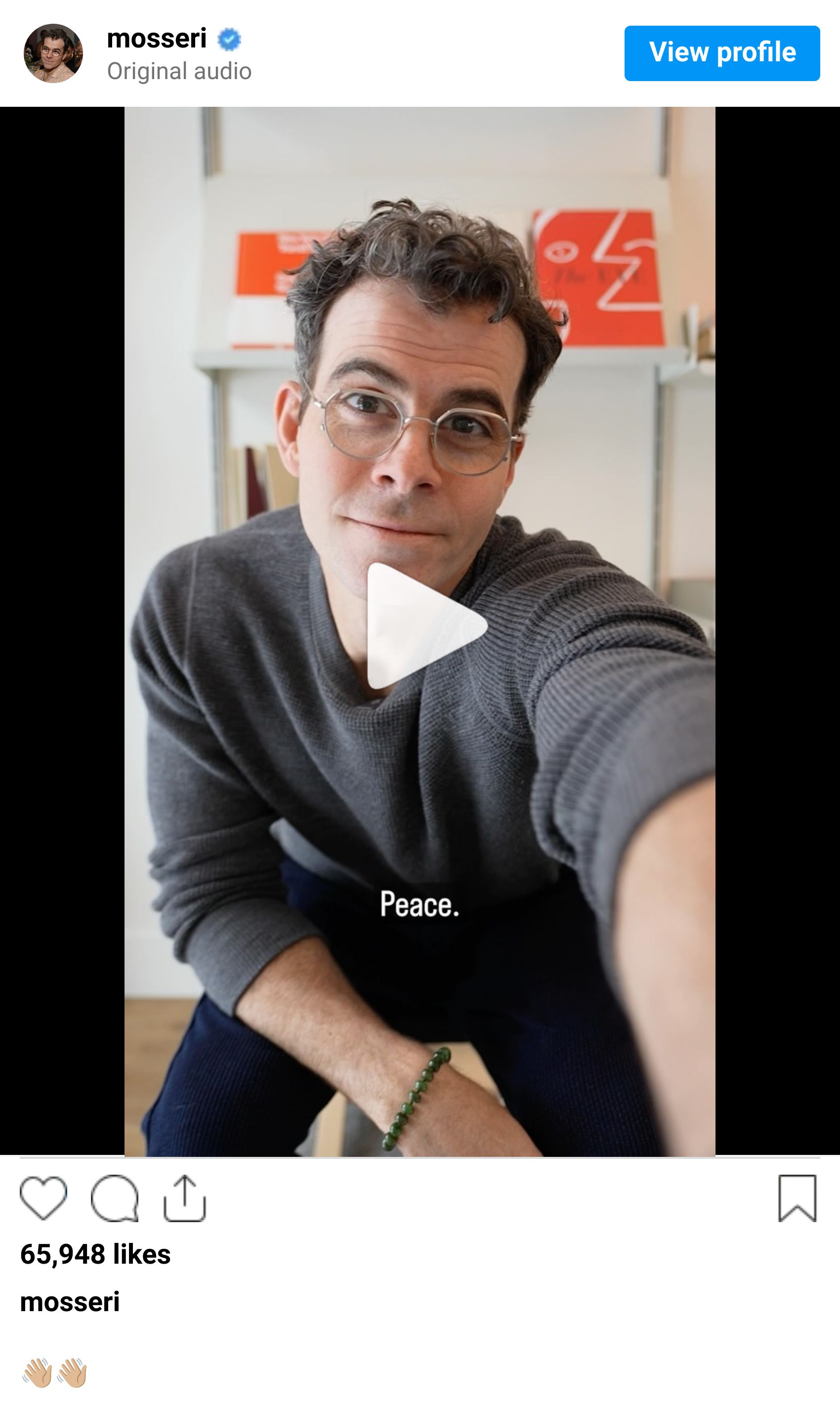
Adam Mosseri at Instagram is one of the best examples. He regularly answers questions, addresses criticism, and engages directly with the community in a way that feels native to the platform. That level of openness is extremely rare among corporate executives. Why? Because their jobs are fragile. One wrong statement can move a stock price, trigger a PR crisis, or cost them their role. So the content remains safe, and safe content rarely performs well on platforms designed to reward the edges.
Creators live at the Edges
Social platforms reward two types of edges. The first is edginess. People who say things others are afraid to say. The second is depth. Creators who go extremely deep into a specific subject. Think about creators who have built businesses around a niche they understand deeply. They build an audience first, then launch products into that audience. That is the playbook. And it works precisely because those creators operate outside the constraints of corporate structures. They can take risks. They can say the uncomfortable thing. They can move quickly. Corporations cannot.
Collaboration works. Coexistence doesn’t.
To be clear, creators and corporations absolutely can work together.
Influencer partnerships work.
Athlete partnerships work.
Collaborations work.
But those relationships work because they maintain separation. The creator keeps their independence. The corporation gets access to culture. Once you try to merge those two worlds into the same structure, the incentives break down. And eventually one of them has to change. Most of the time, it’s the creator who leaves to capture the REWARD for their RISK.
Further Education:
⬆️Salomon brought me down to The Running Event, the largest running trade show of the year. I take you inside the industry, the products and the trends for 2026.
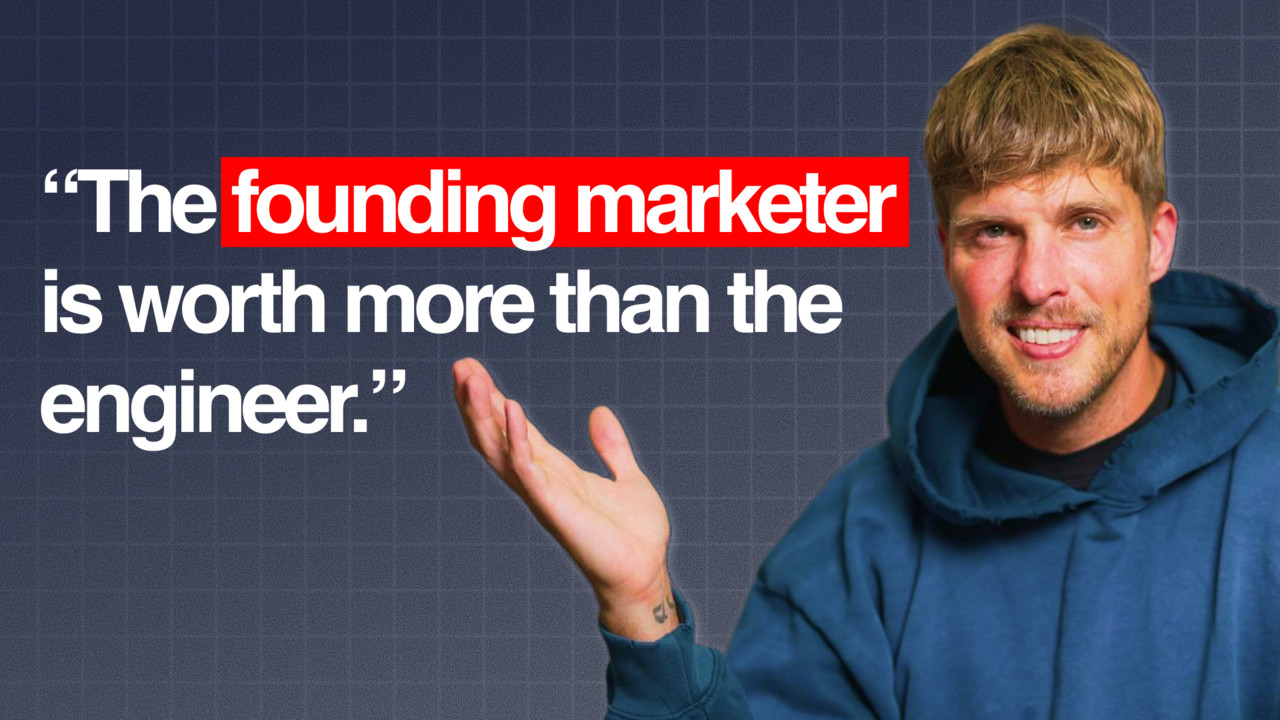
⬇️The BrandFathers new episode is out! Paul Graham finally admitted what marketers have known for years: we’re in the Age of the Brand. We break down why the founding marketer is now worth more than the engineer, why McDonald’s CEO went viral for all the wrong reasons, why the Staples Baddie won’t last 30 days, and the employee creator playbook no one’s talking about.
INTERESTING:
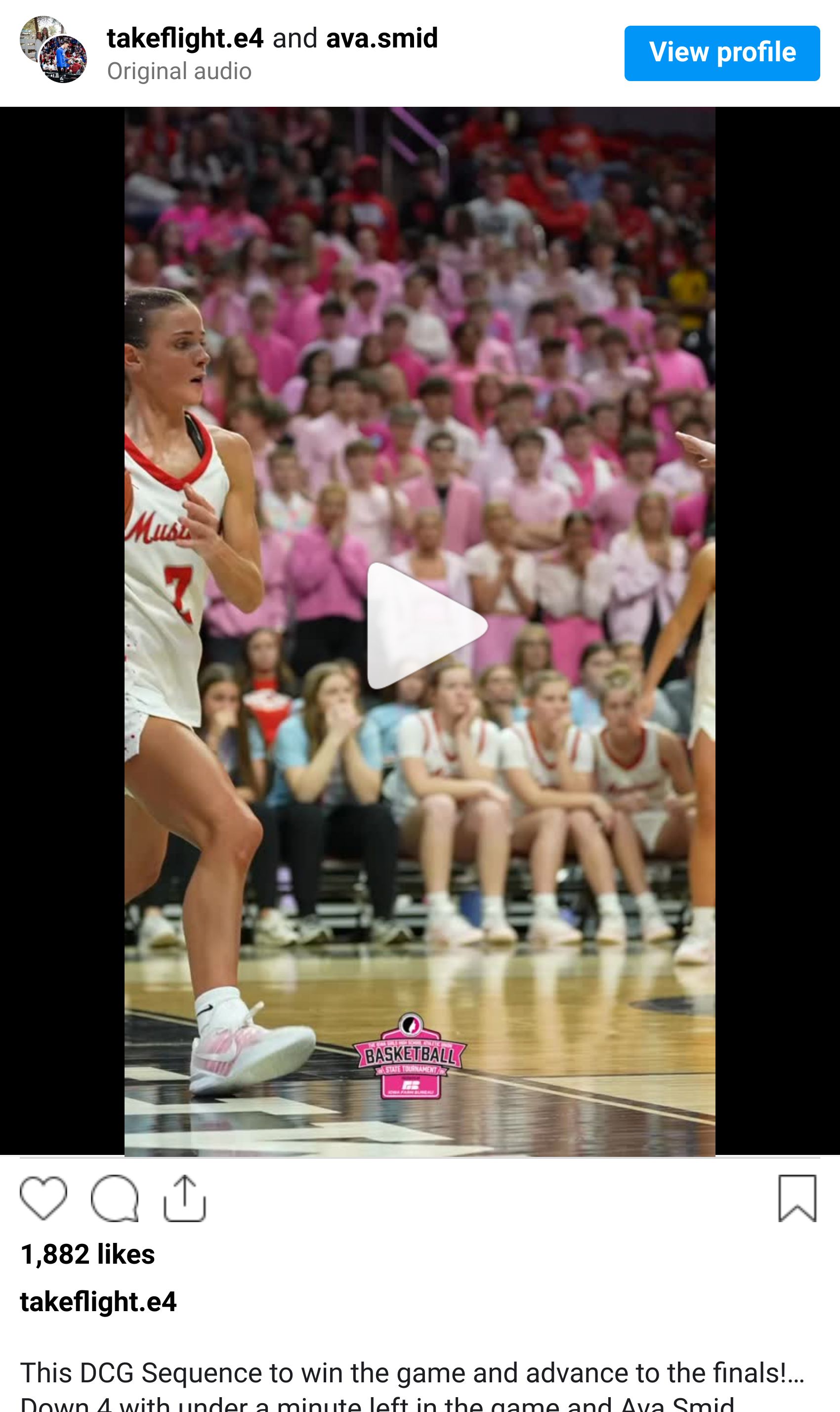
Ava Smid scores 8 points in under a minute to win the Iowa State HS Championship. It’s never too late!
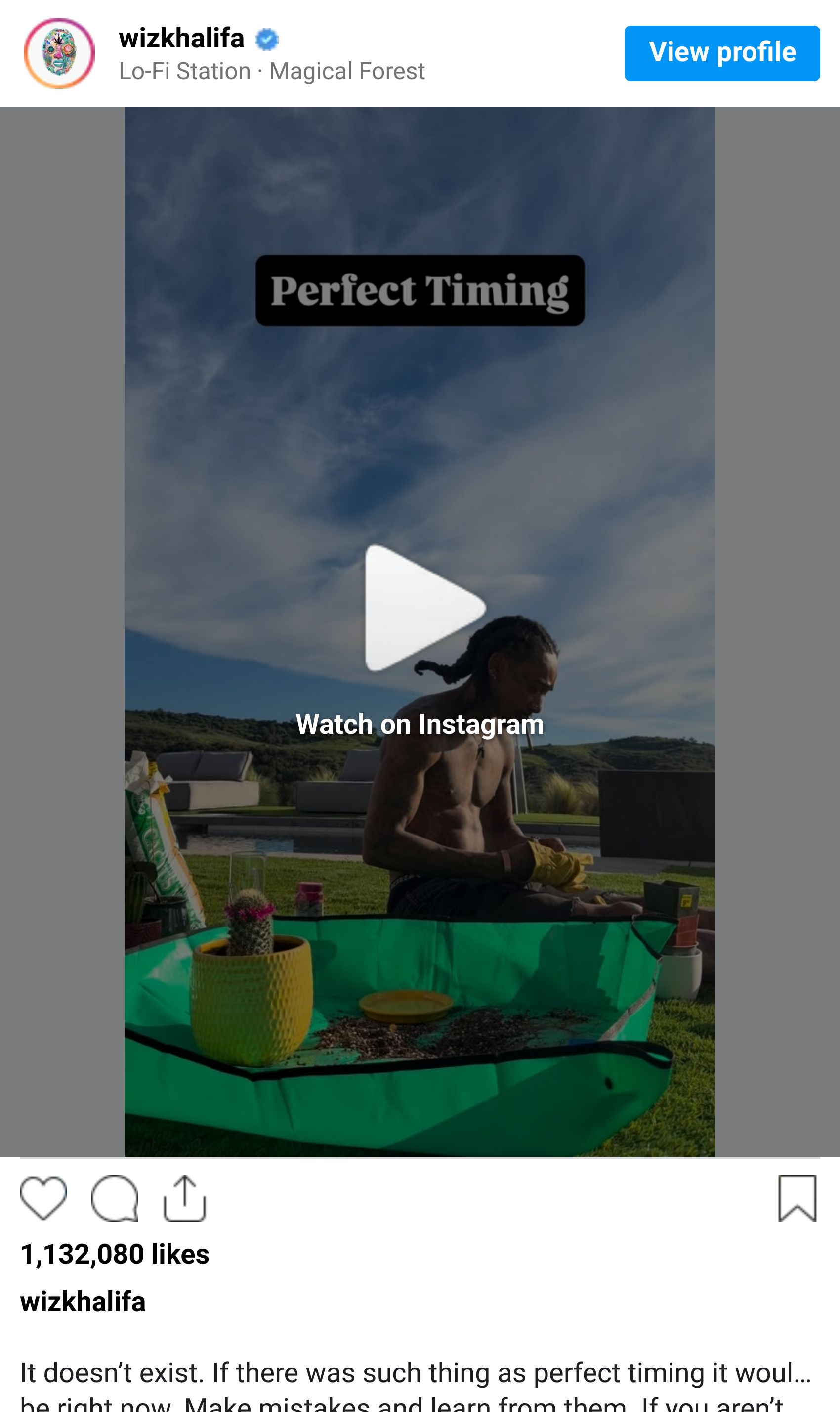
Wiz Khalifa is Potting Plants… Why does this video outperform (10X) everything else on his page? Because it’s DISTINCT and outside what you would expect. Pattern Interruption gets attention.

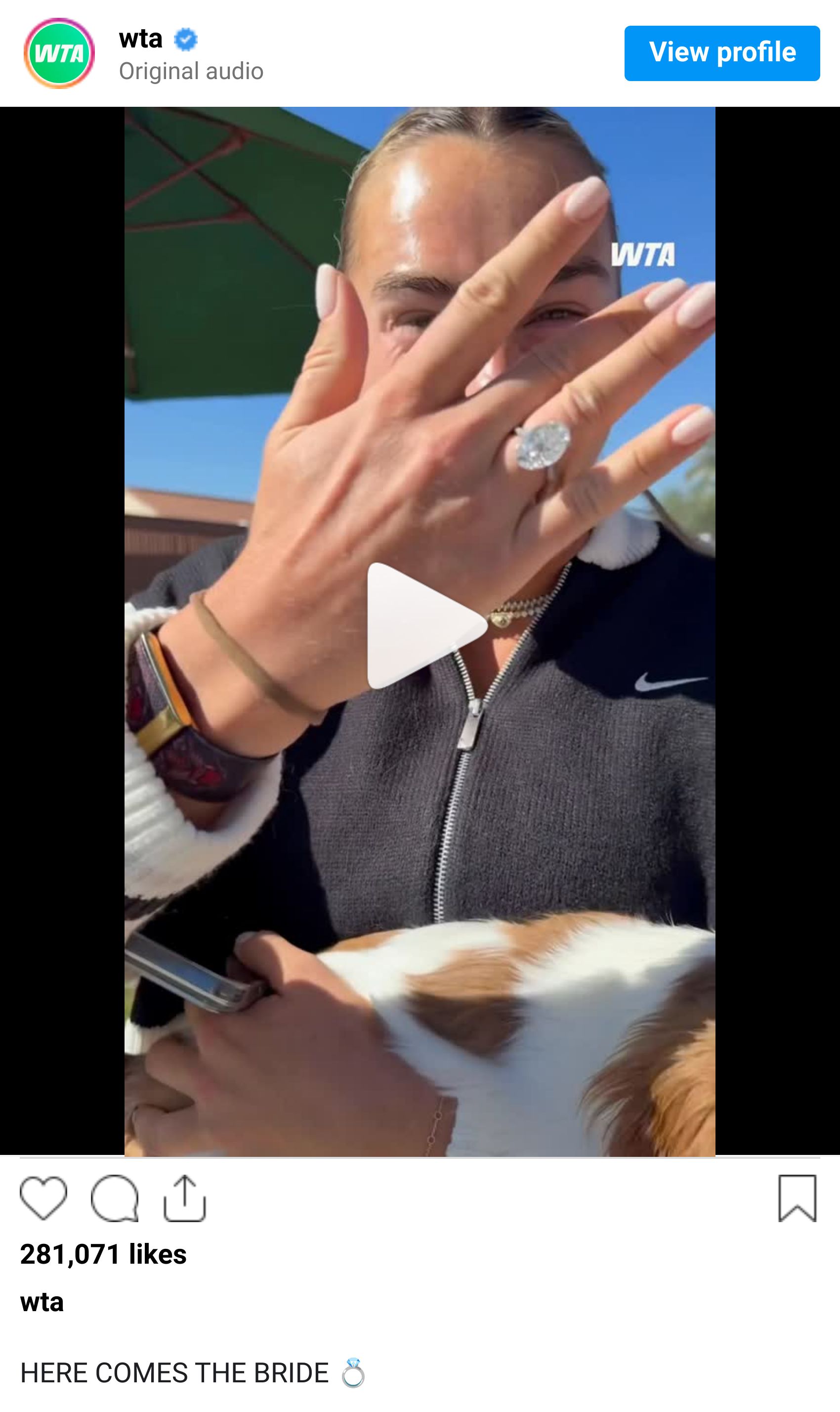
Want to know the power of a GREAT social manager? You get the best out of athletes with a natural connection & relationship! Aryna Sabalenka got engaged this week, and this incredible interaction is spawned by a social manager of the WTA who obviously had a great relationship with her prior. Soft Skills still count!
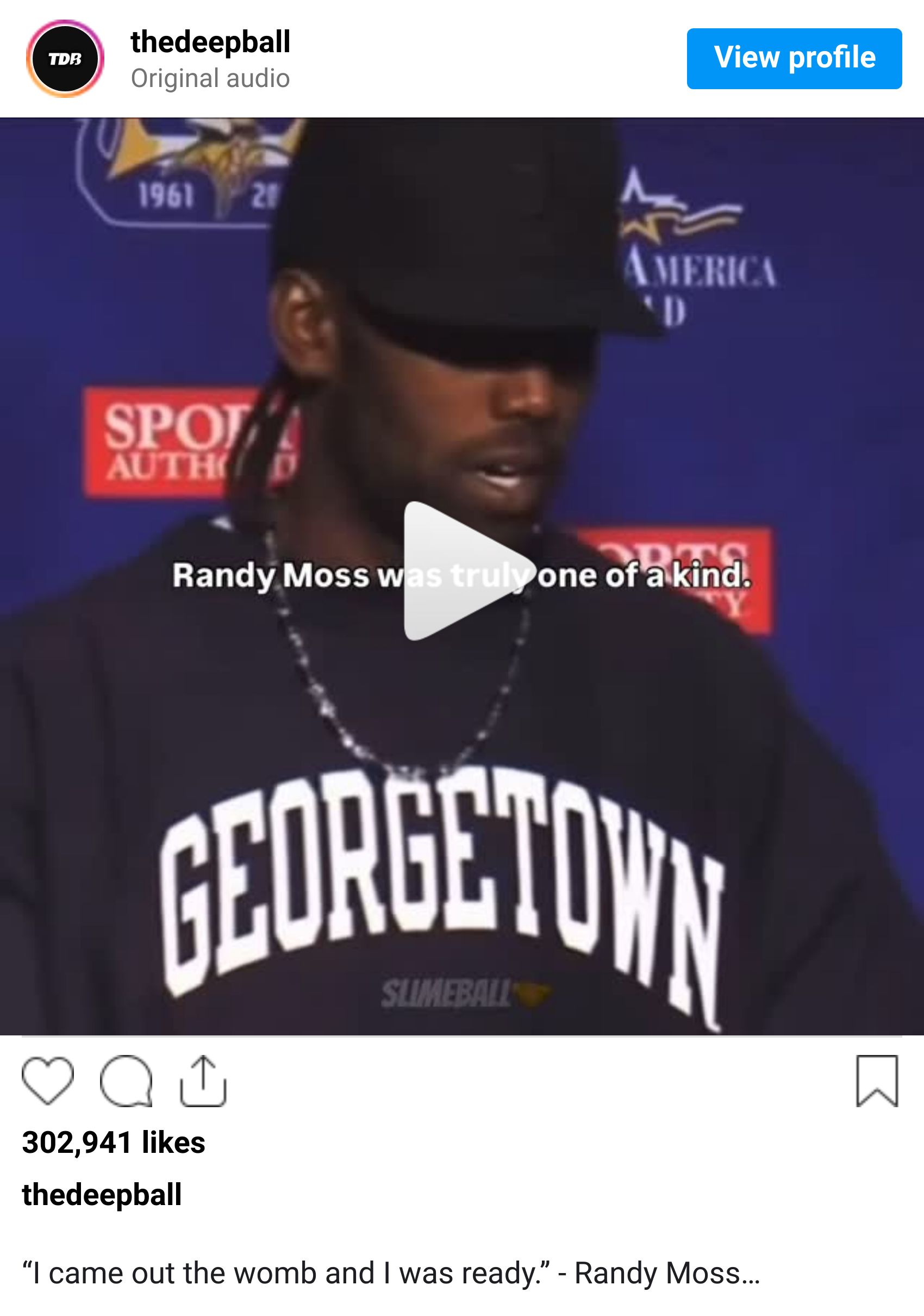
My Favorite Aura Edit of the Week: RANDY MOSS
BLESSINGS:
This week, I’m thinking about the Blessing of Family. I’m in a really sweet time frame with my kids. We are on Spring Break together and I’m hyper aware (as aware as I can be) of the chapter we are in. “These are the Good Ol’ Days”.
I’ve tried to listen to the wisdom of parents before me to try and soak up this time.
I’m attempting to do so, and I hope you can capitalize on these days as well.
